
The lore surrounding the Old Gods in the World of Warcraft universe is rich and complex, with Y’Shaarj standing out as a pivotal figure. His dying breath unleashed a curse that has haunted Pandaria for millennia, shaping the land and its inhabitants. Understanding this lore is crucial for fans and players alike, as it influences many aspects of the game, including quests, character motivations, and the overarching narrative of Azeroth.
What Happened During Y’Shaarj’s Death and Its Impact on Pandaria?
Y’Shaarj’s death resulted in a catastrophic curse that affected the very essence of Pandaria, leading to chaos and corruption that lasted for thousands of years.
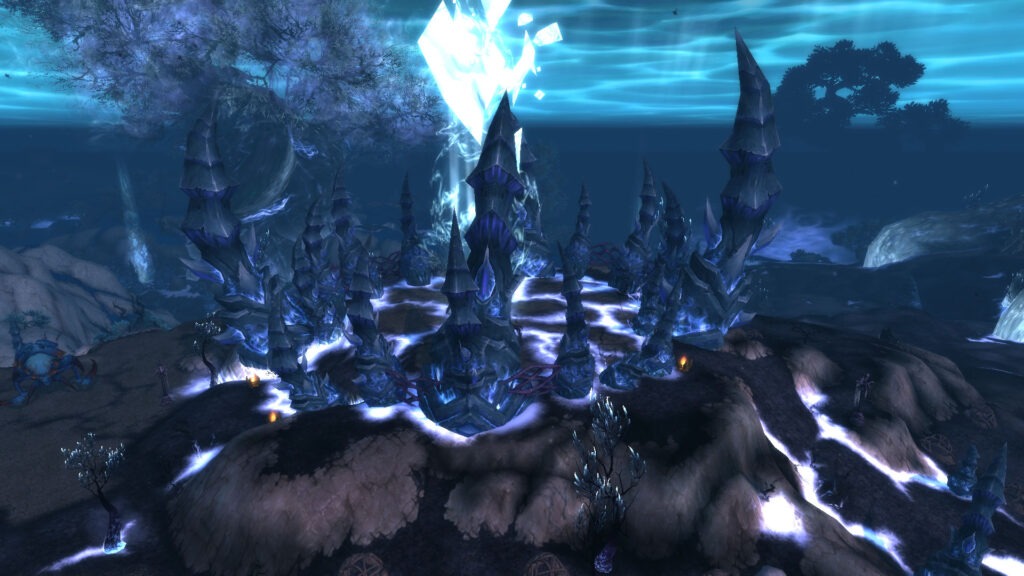
The demise of Y’Shaarj, one of the Old Gods, was not a simple event; it was a moment that reverberated through the fabric of Pandaria. As the titans imprisoned Y’Shaarj, his final breath was imbued with a potent curse that manifested as the Sha, dark manifestations of negative emotions. This curse affected the land, causing it to be steeped in turmoil and suffering, which would shape the history of Pandaria and its inhabitants. The Sha became a symbol of despair, anger, and fear, corrupting the minds of the Pandaren and other creatures, leading to internal conflict and strife.
- Understand the significance of Y’Shaarj’s death in the broader context of Old God lore.
- Explore the transformation of emotions into the Sha and their impact on Pandaren society.
- Analyze how the curse of Y’Shaarj influenced key historical events in Pandaria.
- Investigate the long-term effects of the curse on the land and its inhabitants.
How Did the Curse of Y’Shaarj Manifest in Pandaria?
The curse of Y’Shaarj manifested through the emergence of the Sha, which embodied various negative emotions and directly influenced the behavior of the Pandaren.
The curse unleashed by Y’Shaarj’s dying breath gave rise to the Sha, entities that personified the darker aspects of the Pandaren’s psyche. Each Sha represented a specific negative emotion, such as fear, doubt, and anger, which could corrupt individuals and lead to violent outbreaks. This corruption was not limited to the Pandaren; it affected the flora and fauna of Pandaria, creating a landscape riddled with chaos. The Sha thrived in areas where negative emotions were prevalent, leading to a feedback loop of despair and violence that plagued the land for centuries.
Mechanically, the Sha could be seen as a representation of the emotional struggles faced by the Pandaren. The more the Pandaren succumbed to their fears and anger, the stronger the Sha became. This dynamic created a cyclical pattern of conflict, where the Pandaren’s attempts to combat the Sha often led to their own emotional turmoil, further empowering these dark entities. The historical records indicate that significant battles, such as the War of the Ancients, were influenced by the presence of the Sha, showcasing their pervasive impact on Pandaren history.
What Were the Initial Responses to the Curse of Y’Shaarj?
The initial responses to Y’Shaarj’s curse included attempts at purification and understanding the nature of the Sha, but these efforts often led to further conflict.
In the wake of Y’Shaarj’s curse, the Pandaren sought to understand and combat the Sha, leading to various cultural and spiritual responses. Monks and spiritual leaders emerged, attempting to purify the land and its people through meditation and martial arts. However, these efforts were often met with resistance, as the Sha’s influence clouded judgment and fostered distrust among the Pandaren. The struggle to maintain harmony within their society became a central theme, as the Pandaren grappled with their own inner demons while facing external threats.

What Key Events Were Influenced by Y’Shaarj’s Curse?
Key events influenced by Y’Shaarj’s curse include the rise of the Sha, the internal conflicts among the Pandaren, and the eventual confrontation with the Sha during the Mists of Pandaria expansion.
The curse of Y’Shaarj has shaped numerous significant events in Pandaria’s history. Below is a table summarizing these key events and their connections to the curse:
| Event | Description | Impact | Year |
|---|---|---|---|
| Emergence of the Sha | Manifestation of negative emotions as dark entities. | Widespread corruption and chaos. | Unknown |
| War of the Ancients | Conflict influenced by the presence of the Sha. | Significant loss of life and cultural shifts. | 10,000 years ago |
| Mists of Pandaria | Direct confrontation with the Sha. | Resolution of some curses, but new conflicts arise. | Year 0 |
How Did the Pandaren Adapt to the Curse of Y’Shaarj?
The Pandaren adapted to Y’Shaarj’s curse through cultural evolution, developing practices and philosophies aimed at combating the influence of the Sha.
As the curse of Y’Shaarj persisted, the Pandaren developed various cultural practices to cope with the Sha’s influence. They emphasized the importance of balance, meditation, and martial arts, which became integral to their way of life. The teachings of the monks focused on harnessing inner peace to combat the external chaos brought forth by the Sha. This cultural adaptation allowed the Pandaren to create a resilient society that could withstand the psychological and emotional turmoil caused by the curse.
What Are the Long-term Effects of Y’Shaarj’s Curse on Pandaria?
The long-term effects of Y’Shaarj’s curse include a lasting legacy of emotional struggle, ongoing conflicts, and the continuous threat of the Sha.
The curse of Y’Shaarj has left an indelible mark on Pandaria, influencing its culture, politics, and spiritual practices. The ongoing presence of the Sha serves as a reminder of the emotional struggles faced by the Pandaren, creating a society that is perpetually on guard against internal and external threats. This legacy has also led to a unique cultural identity, where the Pandaren embrace their emotions while striving for balance and harmony. The historical narrative of Pandaria is deeply intertwined with the consequences of Y’Shaarj’s curse, shaping the future of its people.
Frequently Asked Questions
What is the significance of Y’Shaarj in the lore of the Old Gods?
Y’Shaarj is significant as one of the Old Gods whose death had profound implications for Pandaria. His curse manifested as the Sha, which embodied negative emotions and caused turmoil in the land for millennia. Understanding Y’Shaarj’s role helps to contextualize the ongoing struggles faced by the Pandaren.
How did the Sha influence Pandaren society?
The Sha influenced Pandaren society by corrupting individuals and creating internal conflicts. Each Sha represented a specific negative emotion, leading to widespread despair and violence. This corruption shaped the Pandaren’s cultural practices and philosophies, emphasizing the need for balance and emotional control.
What were the main cultural responses to Y’Shaarj’s curse?
The main cultural responses included the development of martial arts and meditation practices aimed at combating the influence of the Sha. Spiritual leaders emerged to guide the Pandaren in their struggle against internal and external chaos, fostering a culture of resilience and adaptability.
How does Y’Shaarj’s curse affect current events in Pandaria?
Y’Shaarj’s curse continues to affect current events in Pandaria by perpetuating the threat of the Sha. The ongoing struggle against these dark manifestations of emotion serves as a backdrop for many quests and conflicts within the game, influencing the narrative and character development.
Leave a Reply